Operations
Lights-Out CNC: When It Saves You Money and When It Burns Cash
March 29, 2026 · 8 min read
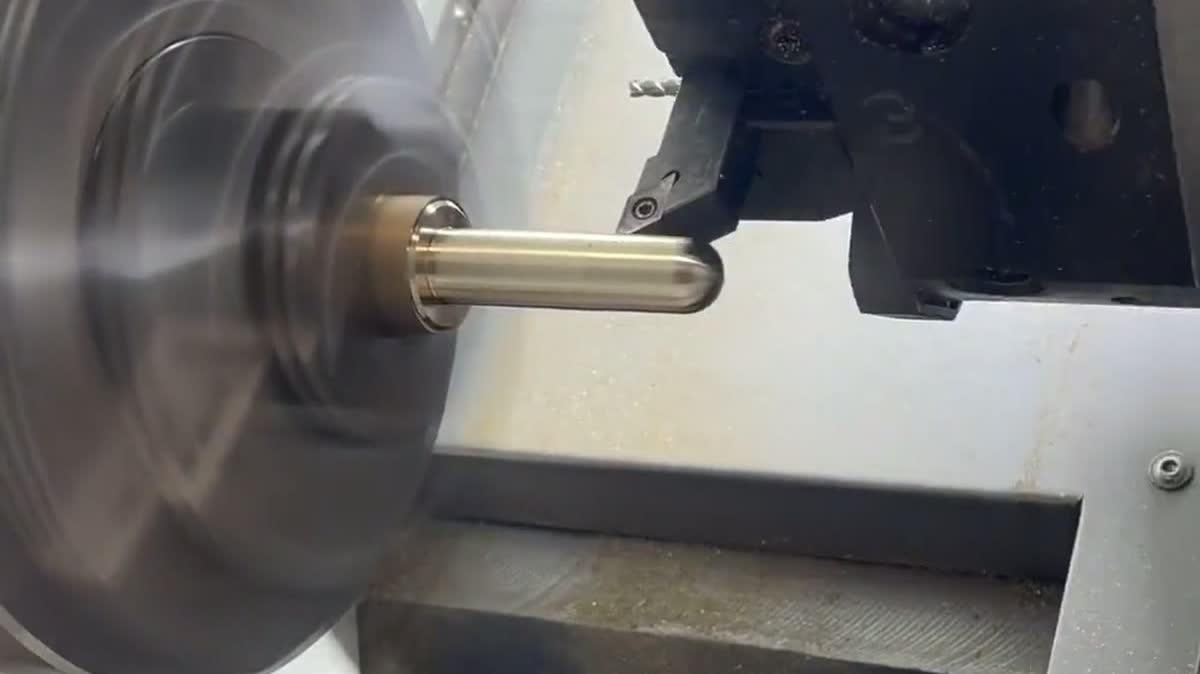
"Lights-out" CNC means running the shop unattended — usually overnight — with bar feeders, pallet changers, and probing handling everything until a human walks back in. Done right, it doubles capacity for free. Done wrong, it's a broken spindle waiting to happen. Here's when to use it.
The math nobody puts on a slide
A typical CNC machine running 8 hours a day, 5 days a week is utilized about 2,000 hours/year. Push it to lights-out and you can hit 5,000–6,000 hours. On a $200,000 machine, the depreciation per hour drops from $40 to $13. That's the entire reason shops with bar feeders and tower magazines beat shops without them on long-run jobs.
When lights-out makes sense
- Long-running production parts (60+ minute cycles, hundreds of pieces)
- Bar-fed lathe work in 1"–4" stock
- Pallet-changed milling on consistent fixturing
- Wire EDM (built for unattended running)
- 5-axis cycles on aerospace structural parts where one fixture loads multiple ops
When it burns cash
- Prototype runs (single setup, no time amortized)
- Tight-tolerance work that needs in-process measurement and adjustment
- Short cycles where chip evacuation and tool wear vary too fast for probing
- Tough-to-machine alloys (Inconel, Ti-6Al-4V) where tool monitoring matters more than throughput
- Any job where a crash means scrapping a $5k workholding fixture
What you need on the machine to run lights-out safely
- In-process probing (Renishaw / Heidenhain) for offset compensation
- Tool breakage detection (laser or touch probe)
- Chip conveyor + high-pressure coolant
- Bar feeder or pallet changer for parts feed
- Macros that abort cleanly on alarm and flag the next part
- Camera + offsite alerting on door open / alarm fault
What you need around the machine
- Fire suppression rated for your coolant (oil mist + chip pile is a known hazard)
- Insurance carrier informed and policy worded for lights-out
- Local FD aware of the building
- Backup generator or graceful-shutdown UPS so a power blip doesn't scrap the whole stack
How a small shop like ours approaches it
We run longer production cycles unattended where the part and setup allow it - consistent fixturing, proven tooling, and a clean abort plan on alarm. We don't run new prototypes or new alloys lights-out until we have real data on tool wear and in-process measurement. If a job isn't a good fit for unattended running, we'll tell you that up front rather than quote you a number we can't hit.
The conversation to have with your supplier
On a high-volume reorder, ask: "Will you be running my part lights-out, and if so, what's your probing and abort plan?" A real shop will explain it in 30 seconds. A shop that says "we always have someone watching" on a 200-piece overnight run is either lying or losing money on your job.
If you have a long-running production part and want it priced as a lights-out run with the savings passed back to you, send us your drawing. We'll show the math both ways.